6 Key Stages in Cinematic Techniques Evolution?
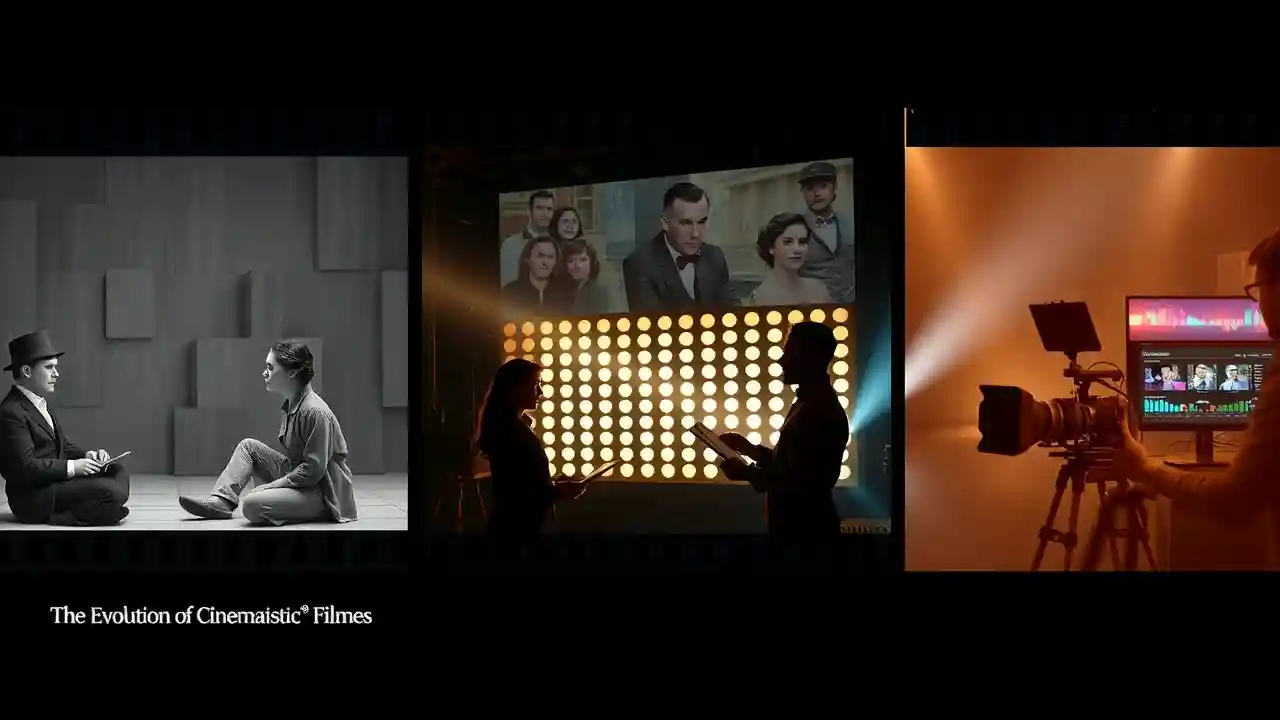
The Cinematic Techniques Evolution showcases a remarkable journey from the silent film era to today’s digital masterpieces. Understanding these techniques is essential for grasping how filmmakers have adapted their storytelling methods to meet audience expectations and technological advancements. This blog highlights six key stages in the evolution of cinematic techniques that have reshaped the film industry.
A History of Film Production: The silent movies
The history of cinematic techniques started with the silent films that came out in the late nineteenth century. These films were mostly based on the visual presentation rather than the synchronized one. Innovative techniques such as editing, close-ups, and special effects were introduced by such directors as Georges Melies and D.W. Griffith, which became the basis of filmmaking. Being the creator of the imaginative narration and visual effects, Melies employed such tricks as stop-motion and double exposure to make fantastic worlds.
- Techniques: The most important techniques in silent films are the following:
- Intertitles: These are applied to pass dialogue and narrative details.
- Cinematography: Innovation in camera angles, tracking shots and lighting.
- Editing: The initial methods of editing, such as the cross cut and montage, helped in storytelling.
The Introduction of Sound
Towards the end of the 1920s, there was a major shift in the history of cinema as synchronized sound was introduced. In 1927, the coming of The Jazz Singer marked the onset of the “talkies” which transformed the manner in which stories would be told on the screen. Filmmakers have started to play around with sound design using music, dialogue and sound effects to add an emotional appeal to their films.
Key Techniques with Sound:
- Dialogue Recording: The difficulty in recordings of coherent dialogue under diverse conditions.
- Sound Effects: Sound effects are used to provide immersive experiences.
- Musical Scores: Writing original scores to accompany the story and bring out emotions.
The Golden Age of Hollywood
The 1930s up to the 1960s has been acclaimed as the Golden Age of Hollywood which was marked by the creation of the most iconic cinematic techniques. Cinema creators started experimenting with the ways of stories telling such aspects as color, advanced editing, and complicated plots.
The most important Techniques in the Golden Age:
- Color Film: Technicolor introduction enabled film directors to employ bright colors to help them tell stories, as was the case with such a classic as the Wizard of Oz.
- Cinemascope: A broad screen format which offered a more immersive experience in its viewing such as in movies such as Ben-Hur.
- Narrative Structure: The appearance of complex narratives, character development, sub plot, which makes it possible to tell the story in more depth.
The Independent Cinema Revolution.
The 1970s also marked a change to more independent filmmaking with such directors as Martin Scorsese, Francis Ford Coppola, and Steven Spielberg pushing the creative envelope to the limit. It was a time of actor-oriented narrative, and new approaches, which went against the normal Hollywood conventions.
The most significant Techniques of the Independent Cinema:
- Realism: An emphasis on realistic narration, and more on character growth and ethical grey areas.
- Innovations in cinematography: the utilization of natural light and handheld cameras to produce a more natural and personal touch.
- Editing Styles: Non-linear storytelling and new editing forms that were more representative of the complexities of human experience.
The Digital Revolution
At the end of the 1990s and the beginning of the 2000s, the digital revolution came and changed the face of filmmaking. The digital cameras, editing software and visual effects technology enabled film makers to produce films that are literally beautiful with ease and flexibility never before seen in filmmaking.
The Digital Age: Major Techniques:
- Digital Cinematography: Digital cameras like the RED One or the Arri Alexa have transformed the manner of shooting a film by bringing very good images of high dynamic range.
- Visual Effects (VFX): The use of sophisticated VFX effects, such as CGI, enabled directors to develop some of the most remarkable worlds and characters in motion picture films such as Avatar and the Lord of the Rings.
- Editing Software: Editing software such as Adobe Premiere Pro and Final Cut Pro allowed making editing more accessible and allowed filmmakers to experiment with style and pacing.
The Era of Streaming and Virtual Reality.
The establishment of streaming services and virtual reality (VR) is another tectonic shift that takes place in the film industry today. Such services as Netflix, Amazon Prime, and Disney+ have transformed the consumption of content among the audience, which resulted in the emergence of new types of storytelling.
The most important technologies in Streaming and VR:
Interactive Storytelling: The rise to interactive films such as Black Mirror: Bandersnatch provides the viewers with options that can alter the storyline.
- Virtual Reality: VR technology allows experiencing stories in a new way and provides viewers with the opportunity to participate in 360-degree worlds.
- Short-form Content: The success of the short-film and series on streaming sites is addressed to the shift in the audience demand to fast and captivating content.
Conclusion
The history of the film industry is dynamic because it is reflected in the development of cinematic ways of expressing the silent film to the digital masterpieces. Different times have introduced new products that influenced the way of telling stories and attracting the audience, which are an indication of technological changes and cultural fantasies. The future of cinema is as promising as the past one as the filmmakers keep developing new techniques and formats.
Frequently Asked Questions (FAQs)
1. What impact did silent films have on the cinema today?
Silent movies provided the background to the cinematic technique today, and they brought in new methods of editing, visual narration and special effects that are still in use to date.
2. How has the introduction of sound changed films?
Sound was introduced in the storytelling process that provided dialogue and sound effects, increased the emotional appeal, and made the viewing process more immersive to the audience.
3. What has happened to filmmaking with digital technology?
Digital technology has brought a revolution in filmmaking by offering fresh cinematography, editing and effects tools. It has brought film making closer to people and has provided and facilitated more creativity and experimentation.
You may also Like
Visual Film Analysis: Cinematography That Shapes Emotion

Upcoming Film Guide: What to Watch This Year